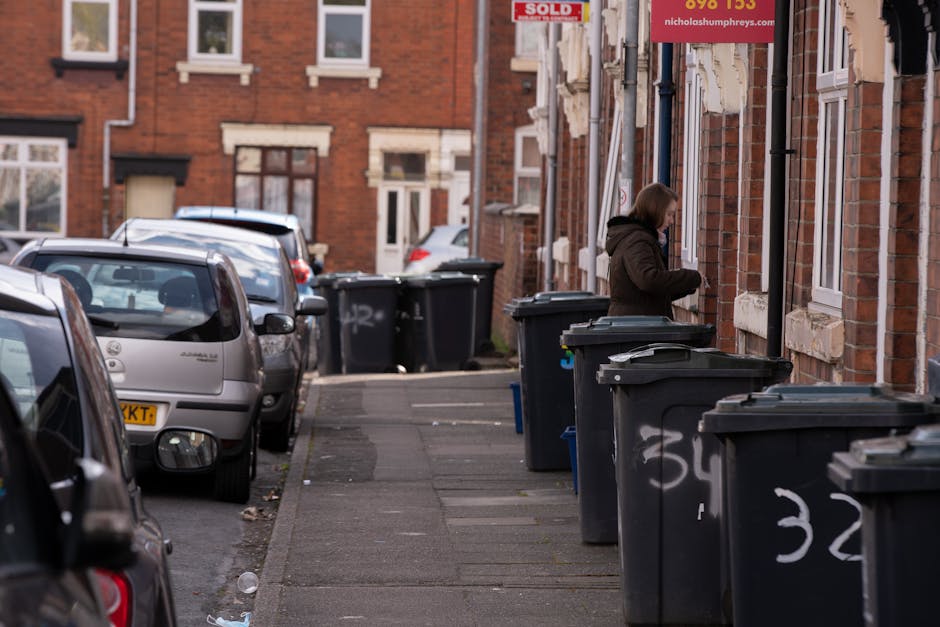
Commercial Waste in Muswell Hill

Commercial waste in Muswell Hill needs a practical, well-organised service that can deal with everyday business rubbish as well as bulkier clearances, without making collections more disruptive than they need to be. We handle a wide range of non-hazardous commercial waste from offices, shops, studios, cafés and other workplaces, with the emphasis on steady removal, sensible sorting and a straightforward route to disposal. The aim is to help businesses keep work areas usable, storage spaces manageable and waste streams under control.
Our service is built around the sort of waste that accumulates during normal trading, moves, refurbishments and routine clear-outs. That can include bagged rubbish, broken fixtures, outdated furniture, redundant stock, archive material, shelving, counters and mixed recyclables. Where a site has different waste types, we can separate items for appropriate handling and keep the process orderly. For many customers, the most useful part of the service is simply having a single provider for commercial waste removal rather than trying to coordinate several different collections.
If you are comparing options, start with the materials you need moved and the space they are taking up. A clear description of the load, access and timing makes it easier to match the right service. You can ask for a quotation once you have a rough list of items, or use the contact page to talk through the job in plain terms. Tell us what needs clearing and where it is stored, and we can help shape the next step.
Office and workplace waste collection
Office waste often includes more than paper and packaging. Desks, chairs, filing cabinets, monitors, small IT equipment, old partition pieces and redundant storage can all build up during upgrades, restructures or end-of-lease handovers. Our commercial collections are suited to workplaces that need items removed without turning the whole premises upside down. By planning the load carefully, we can keep the workflow of the building in mind and reduce avoidable disruption.
We also deal with general office rubbish that is harder to manage through day-to-day bins alone. That may include mixed materials from meeting rooms, reception areas, staff kitchens or back-office storage. Where relevant, items can be separated so that reusable and recyclable materials are not handled in the same way as general waste. If your office is being refreshed, this can make it easier to clear the space in stages rather than waiting until everything has piled up. Office clearance is a useful option when the job extends beyond ordinary bin waste and into furniture, equipment and stored items.
For workplaces in Muswell Hill, the main decision is usually whether the load is a simple rubbish collection or a broader clearance. The first is often best for packaged waste and broken daily-use materials; the second is more appropriate when you need desks, cabinets or larger items removed as part of a bigger reset. A good quotation depends on honest detail about quantity, access and whether the items are mixed. Clear information helps keep the collection efficient, especially when multiple rooms or floors are involved.
Retail, hospitality and trade premises
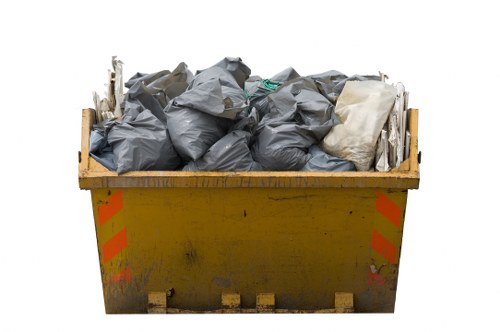
Shops, cafés, small hospitality venues and trade premises often produce waste in batches rather than in a steady uniform stream. Packaging, damaged stock, display materials, worn seating, shelves, pallets, cardboard and general rubbish can all need removing at the same time. The value of a commercial waste service is that it can respond to those mixed loads without forcing you to separate every item into a different arrangement before the collection takes place.
For retail and hospitality customers, the work may also involve moving waste from front-of-house, storerooms and service areas with care. That can matter where access is narrow, the premises are open to the public for part of the day, or the job has to fit around stock deliveries and trading hours. Where there are unsuitable or restricted items, we can explain what should be handled separately. If the job includes furniture or fixtures that no longer fit the layout, you may also find furniture disposal helpful for chairs, tables and similar items that are no longer needed.
When planning a collection for a business premises, it is useful to group items by type and note anything awkward to move, such as large cabinets, broken glass, or loads stored below street level. That saves time during the quotation stage and helps the collection run more smoothly on the day. Mixed commercial waste can be managed more efficiently when the contents are described clearly, especially if the job includes several rooms or a back area used for storage.
Clearances for property changes and refits
Many commercial waste jobs arise because a property is being changed rather than because waste has simply accumulated. Refits, relocations, new tenants and periodic decluttering can all create a need for a more substantial clearance. In those situations, the service is not just about taking away loose rubbish; it is about removing unwanted items from the building in a way that lets the next phase move forward. That may involve furniture, shelving, loose fittings, fixtures or a mix of old stock and packaging.
Where a business is moving on from a site, the waste may be spread over several rooms and store areas, or may include items that have been left for later sorting. We can help with loads that are ready for removal as well as those where the contents are still mixed and need sensible separation before disposal. For larger commercial moves, it is often sensible to book the waste work separately from the moving day itself. If your premises need a broader strip-out, builders waste clearance may be relevant where there are renovation materials alongside the normal commercial waste.
In practical terms, the best preparation is often a quick inventory of what remains and what has to go. Even a simple note such as “three desks, ten bags, assorted shelving and packing waste†gives a clearer picture than a general request for help. You do not need to prepare a perfect list, but the more honest the description, the easier it is to plan the work and avoid misunderstandings. Use the quotation stage to mention access, parking constraints and any items that may need two people to move.
Furniture and bulky item removal

Commercial waste is often dominated by bulky items rather than small rubbish. Chairs, desks, cupboards, display units, reception furniture, mattresses from staff accommodation and worn sofas from break areas can all become difficult to store or shift internally. Removing these items properly helps reclaim usable floor space and keeps storage areas from becoming makeshift dumping grounds. Bulky item work is especially useful where the items are too large for standard waste sacks or have to be carried through tight access.
We can manage furniture removal as part of a wider commercial collection or as a focused job on its own, depending on what has been left behind. If the load contains a mixture of furniture and standard rubbish, that is usually easier to handle than booking separate services and trying to coordinate them later. For businesses dealing specifically with household-style items from staff areas or rental workspaces, furniture clearance offers a more direct fit when several large items need to go together.
Not every bulky item is the same. Some are dismantled easily, while others are awkward because of their weight, condition or size. That affects how the collection is prepared and what equipment may be needed to move the pieces safely. If you are requesting a quotation, include whether the items are upstairs, whether they are already in a loading area and whether there are any obstacles such as narrow corridors or stairs. Good access notes make a bulky waste job much easier to plan and reduce avoidable back-and-forth later.
Sorting, recycling and responsible disposal
Good commercial waste handling is not just about taking items away. It also depends on sensible sorting so that recyclable materials, reusable items and general waste are not treated in the same way when they do not need to be. Cardboard, paper, metal, some plastics, furniture components and certain electrical items may all be handled differently depending on the load. A careful approach helps keep the disposal process organised and avoids unnecessary mixing.
For businesses that care about reducing what goes to landfill, a clearer waste profile can help. That starts with separating obvious recyclables from mixed rubbish and identifying any items that need special handling. We also provide a route for customers who want to think more deliberately about how their unwanted materials leave the premises. If that is important to you, the page on recycling and sustainability sets out a few of the practical considerations around responsible waste management.
Some waste loads are straightforward, while others contain a bit of everything: packaging, broken furniture, offcuts, fixtures and older stored items. The more mixed the load, the more useful it is to say so at the outset. That allows the collection to be priced and planned on the basis of what is actually there. If you are unsure whether an item belongs in the commercial waste load or should be separated, mention it in your enquiry rather than guessing. That small step can save time and keep the job more orderly.
Specialist items and additional handling
Some commercial waste needs a little extra care because the items are not ordinary office rubbish or standard mixed waste. Fridges, freezers, catering equipment, certain appliances and other awkward items may need to be described accurately before collection. Some items are heavy, some are fragile, and some are restricted by their contents or construction. Handling those loads properly keeps the service honest and reduces the risk of the wrong disposal route being chosen.
If your business has old appliances or equipment to remove, it is best to separate them from ordinary rubbish in your planning notes. That does not mean you need technical detail, but it does help to know whether the item is working, broken, freestanding or built in. For premises that need this kind of help, fridge and appliance removal gives a clearer route for items that sit outside everyday office waste. When the load contains only older confidential papers or records, confidential shredding may also be relevant for secure document handling.
Special items should be named early because they can affect the amount of labour, the loading arrangement and the best disposal method. It is also useful to say whether the items are accessible from ground level or whether they are stored away from the main exit route. If you are not certain what counts as specialist, list it anyway and let the quotation process sort it out. A plain description is usually enough to decide whether the collection fits the standard commercial waste service or needs a more specific option.
About Muswell Hill

Muswell Hill is a North London district in the London Borough of Haringey, set on high ground that gives parts of the area wide views across the capital. The name is usually linked to the medieval well or spring associated with the site, and the area’s history is reflected in its mix of older settlement patterns, later suburban development and a busy local centre. Much of Muswell Hill’s character comes from the relationship between the hilltop roads, the commercial parade and the residential streets that spread away from the centre. The district’s topography has long shaped how people move through it, with key routes rising toward the shopping streets and branching into quieter neighbourhood roads.
Architecturally, Muswell Hill is known for Edwardian and early twentieth-century housing, along with a number of local buildings that give the area a distinct suburban identity. The Alexandra Palace and Park sit close by and are a major landmark for the wider district, while the surrounding streets include independent shops, cafés and community facilities that support everyday life in the area. Nearby green space, including parks and tree-lined streets, contributes to the sense of openness that many people associate with the hill. The locality also has cultural associations with film, broadcasting and local community life, and its built environment reflects the development of north London suburbs in the late Victorian and Edwardian periods.
In everyday terms, Muswell Hill combines a recognisable high street atmosphere with residential calm a short walk away. The area’s central ridge, side roads and nearby open spaces create a setting that is both busy and settled, with a strong local identity rooted in its geography and history. For a district with such a clear street pattern and visual character, the relationship between older buildings, later redevelopment and green outlook remains part of what makes it distinctive within north London.
Pricing, access and how to request a quotation
Commercial waste quotations are usually shaped by the volume of items, the mix of materials and the practicalities of the site. Access matters too: ground-floor loading is simpler than carrying waste from upper floors, and a clear run to the vehicle is usually easier than a narrow route through shared corridors or storage rooms. The number of items, the time needed to sort them and any unusual handling requirements can all affect the final figure, so the more accurate the description, the more reliable the quotation is likely to be.
It can help to think about the job in three parts: what needs removing, where it is located and how easy it is to reach. If possible, note whether the items are bagged, loose, stacked, dismantled or still in use. That gives a much better starting point than a general request for “commercial rubbish removalâ€. You can also mention whether the work needs to happen around trading hours or whether a particular access arrangement is in place for the building. For routine enquiries, the page on pricing and quotes is a useful place to start.
For a quotation, send a brief description of the waste, the approximate amount and any access details you already know. If the load changes before collection day, update the details so the plan still matches the job. Please get in touch for a quotation, and if you want to move straight to booking, contact us using the page provided on the site. That keeps the process simple and gives us the information needed to respond sensibly.
House, flat and garage clearances for mixed loads
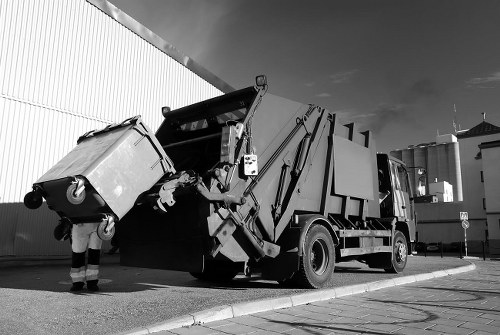
Some commercial waste jobs overlap with wider clearances because the premises contain domestic-style items, stored furniture or mixed contents from flats above shops, rented accommodation or staff areas. In those cases, a broader clearance service can be more suitable than a narrow waste-only collection. The benefit is that different kinds of unwanted items can be dealt with in one organised visit rather than being separated into several bookings. This can be helpful where the space includes cupboards, loft areas, garages or storage rooms attached to the main business use.
We can also handle situations where a commercial property is partly used for storage and partly for day-to-day operations, because the waste pattern is often a mixture of business and household-style materials. If you are dealing with that kind of load, house clearance, flat clearance and garage clearance can each be useful references depending on the layout of the premises and what needs to be removed. The right choice depends on the actual contents, not just on how the space is labelled.
Where the waste is spread across several rooms, it helps to note the rooms themselves rather than trying to write a perfect item-by-item list. A sensible summary is enough: furniture in the rear room, bags in storage, old stock in the loft, mixed items in the garage. That keeps the enquiry practical and lets the service be matched to the job in front of you. If you have both business and domestic-style items on site, say so clearly so the collection can be set up in the most suitable way.
Preparing the load and choosing the right service
Good preparation for a commercial waste collection is mostly about clarity, not complicated sorting. If the items are already grouped, that is helpful; if not, a short list of what is present is usually enough. The main thing is to avoid mixing essential equipment with waste by mistake and to let the team know about anything fragile, heavy or awkward. Businesses often find it useful to mark what is definitely going and what must stay, especially when several staff members have been involved in the clear-out.
Two simple details make a big difference: the approximate quantity and the access route. A small volume in an easy location is very different from a full room of mixed waste behind a staircase or in a basement. If the space includes archived papers, appliances or furniture, mention those items specifically so the quotation reflects the actual work. You do not need to provide a long explanation, but you should include enough for the load to be understood without guessing. For a broader range of removal options, waste removal brings the core service together in one place.
Use the service that best matches the contents, not just the room they are in. Office waste, furniture, appliances and stored materials each have different handling needs, and the right service choice can make the collection smoother from the start. If you are ready to compare options, ask for a quotation and describe the space as it stands now, not as it looked before the items were moved into storage. That gives the clearest basis for an accurate response and a practical plan.